How to Host 3 Events in One Place: Welcome Night, Wedding Day, and Farewell Brunch
Picture this: your closest friends and family arrive at a beautiful property, unpack once, and spend three days celebrating your marriage without ever having to check Google Maps, wait for shuttles, or rush from one location to the next. The welcome night is relaxed and fun, the wedding day is spectacular and meaningful, and the farewell brunch is a sweet send‑off that allows lingering hugs and laughter. It’s all in one place, and every moment feels connected.
This is the art of the multi‑event wedding—hosting the welcome party, the ceremony, and reception, and the farewell brunch at a single venue. It’s a trend born of practicality and elevated by intention. If you’re dreaming of a celebration that feels like a retreat rather than a series of appointments, here’s how to make it happen.
Why Host All Events at One Venue?
There are several reasons couples are gravitating toward single‑venue weekends:
Simplicity for Guests: When you host all three events in one place, guests never have to navigate unfamiliar roads or juggle transportation. They settle in and focus on celebrating. For those flying in, the ability to stay on-site or nearby eliminates stress.
Consistent Atmosphere: Having a single venue allows you to control the overall mood. Whether you want a relaxed garden vibe or an elegant estate setting, every event can build on the last. Your story unfolds in chapters, not separate books.
Vendor Efficiency: Using the same venue allows you to work with a unified vendor team. Your planner, caterer, photographer, and décor team become intimately familiar with the space, making transitions between events smooth and reducing setup time.
Cost Savings: Booking a venue for multiple days or events can often be more cost-effective than paying separate site fees. Many estates and boutique venues offer multi‑event packages or discounted rates for extended use.
Deeper Connection: When guests stay on one property, a sense of community forms. People who might not have had time to talk at a single evening reception find themselves chatting over coffee or bonding at a welcome barbecue. The wedding becomes more than an event—it becomes an experience.
Designing a Flow That Feels Natural
To make each event feel distinct yet cohesive, think in terms of flow and contrast.
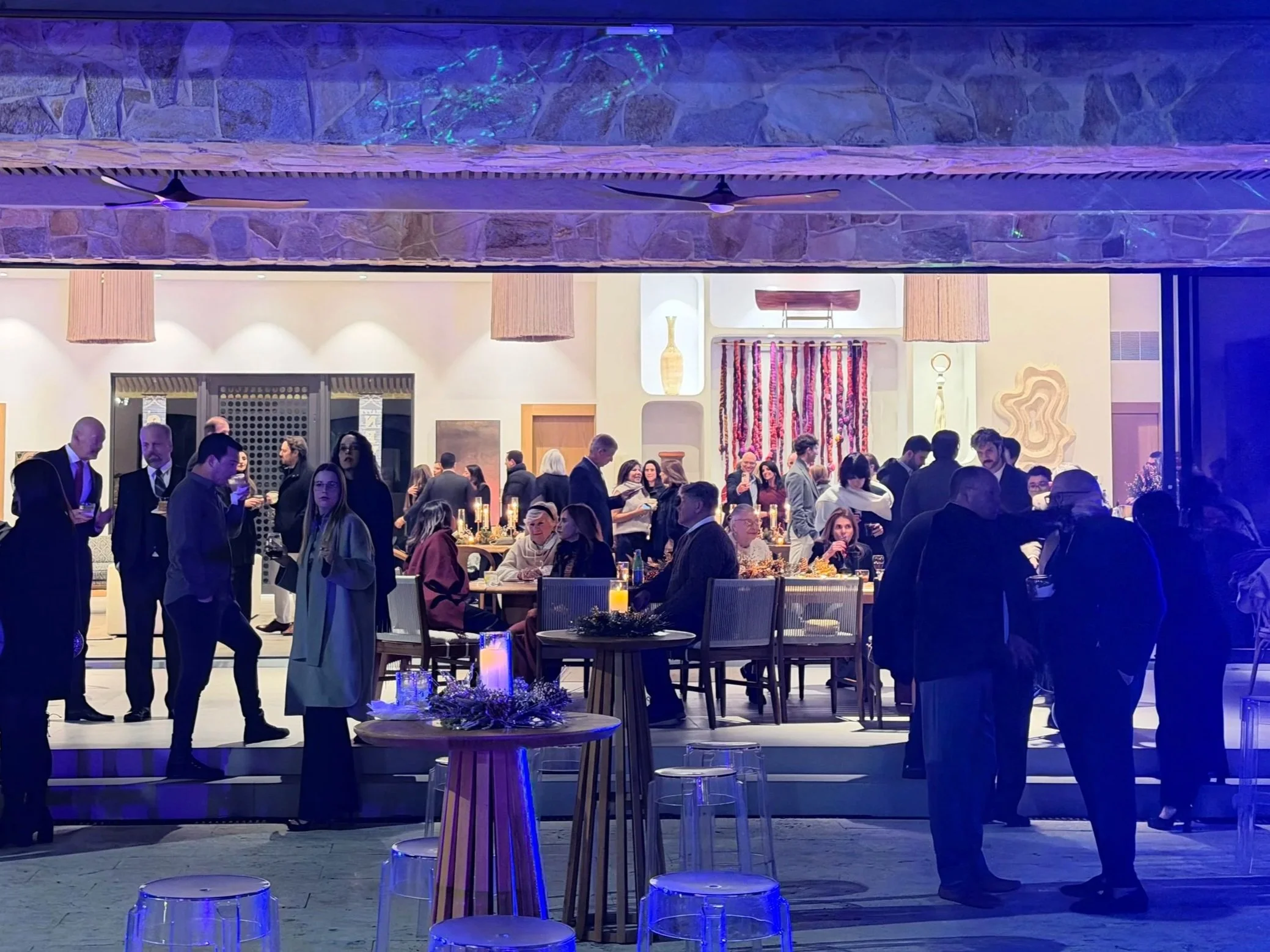
Welcome Night: This should be casual and inviting—a chance for people to meet, relax, and ease into the weekend. Think tapas on a terrace, a bonfire with s’mores, or an open-air pizza party with lawn games. Keep speeches short and the atmosphere light. Choose a space on the property that feels informal, like a courtyard or covered patio.
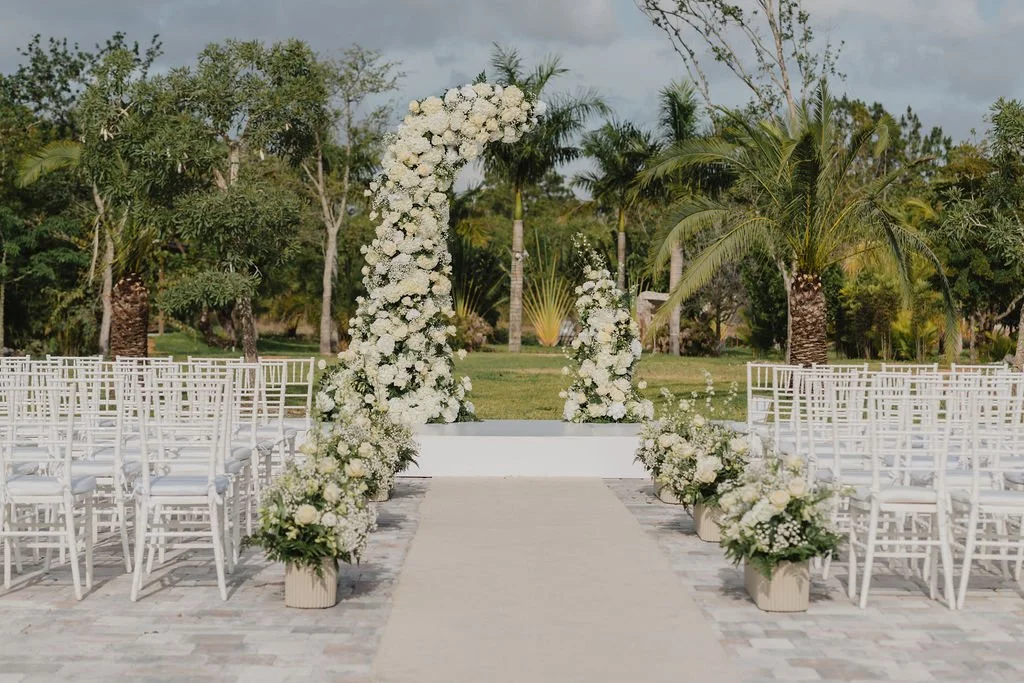
Wedding Day: This is your centerpiece. If you held the welcome party outdoors, consider using a different part of the venue for the ceremony—perhaps a formal garden or a spot overlooking a lake. As the sun sets, move guests to a tented pavilion or an indoor hall dressed for dinner and dancing. Incorporate elements that feel elevated: live music, lush floral installations, a signature cocktail passed on trays.
Farewell Brunch: After a night of celebration, brunch should be restorative. Hold it somewhere bright and airy—a lawn under canopy trees or a veranda with big windows. Serve fresh fruit, pastries, coffee, and maybe mimosas. Keep things flexible; let guests come and go as they’re ready.
By using different spaces within the same venue and varying décor and formality, each event feels fresh while still connected.
What to Look for in a Multi‑Event Venue
Not every property can handle the logistics and variety of three distinct events. When touring locations, ask yourself:
Are there multiple distinct spaces? You’ll need separate areas for the welcome night, ceremony, dinner reception, and brunch. Look for venues with gardens, courtyards, terraces, indoor halls, and dining rooms.
Is there on‑site lodging or nearby accommodations? Keeping guests close by enhances the retreat feel. Even if the venue doesn’t have enough rooms for everyone, having suites for immediate family and nearby hotels for other guests is key.
Do they allow full buyouts? Exclusive use ensures another event doesn’t dictate your timeline. This is especially important when transitioning from the wedding to brunch; you don’t want strangers present during intimate moments.
Can the kitchen or caterer handle multiple meals? Ask about menu flexibility, coordination across different meal styles (cocktail party, plated dinner, buffet brunch), and whether the venue provides bar service for all events.
Are there weather contingencies? Even in South Florida, you’ll want backup plans for rain or heat. Indoor spaces or tented pavilions with climate control ensure the weekend flows smoothly.
Venues That Make It Easy
Several South Florida venues are designed for multi‑event weddings:
Villa Paraiso Miami: This property boasts a waterfall ceremony site, lush gardens, and open-air reception areas. For the welcome night, couples can host a cocktail hour on a poolside terrace. The next day’s ceremony takes place in front of the waterfall, followed by dinner under a tent. A farewell brunch in a light-filled pavilion brings the weekend to a close.
Saint Patrick Palace in Davie: With a waterfront garden, a modern poolside terrace, and multiple indoor halls, this estate offers distinct backdrops for each event. The welcome night could be a BBQ by the pool, the wedding ceremony in the lakeside garden, and brunch on the veranda.
Hidden Beach at Key Largo Lighthouse: This private-island venue offers four-day takeovers. The welcome party happens on a sunset deck, the ceremony on a secluded beach, dinner under twinkling lights, and brunch the next day around the cottages’ communal table.
Casa Campo Homestead: As a brand-new nature-first estate, Casa Campo is uniquely suited for multi‑day celebrations—welcome guests to a laid-back evening among avocado trees, perhaps with an outdoor farm-to-table dinner. Host your ceremony beside a freshwater pond, then dine under a canopy of mature orchards. The next morning, brunch can be served on a porch overlooking the gardens. Because Casa Campo offers on-site lodging for family and wedding parties and no overlapping events, you can move through the weekend at your own pace, letting each moment breathe.
Tips for Seamless Multi‑Event Planning
Use a consistent design thread: Even though each event should feel distinct, tie them together with a color palette, motif, or recurring texture (wood tables, tropical greenery, modern lanterns).
Communicate clearly: Provide guests with a schedule upon arrival, or include it in their welcome bags. People feel more relaxed when they know what’s next.
Plan for downtime: Leave pockets of free time between events. This encourages mingling and prevents guests from feeling overscheduled.
Work with a planner: A professional wedding planner will coordinate vendor load-in, transitions, and logistics. They serve as the conductor, ensuring each event starts and ends smoothly.
Capture it all: Hire a photo and video team that understands the rhythms of a weekend wedding. You’ll want each event documented without feeling intrusive.
Elevate Your Weekend, Not Just Your Day
Hosting your welcome party, wedding ceremony, and reception, and farewell brunch at one venue creates a cohesive, immersive experience. Guests arrive as participants and leave feeling like family. The transitions between events become part of the storytelling instead of obstacles. And you, as a couple, have the space to savor each chapter without rushing or worrying about transportation.
As more couples seek to deepen the meaning of their weddings, multi‑event weekends are shifting from extravagance to connection. Choosing a venue that can support this structure—whether it’s an established estate like Villa Paraiso or Saint Patrick Palace, an island retreat like Hidden Beach, or an exciting new property like Casa Campo Homestead—turns your wedding into a journey.
Your wedding isn’t just a single moment. It’s a series of experiences, memories built one meal, one toast, and one sunrise at a time. Hosting all of them in one place is a gift to yourself and to the people you love.